Sleep study preparation can feel overwhelming, but it does not need to be. A sleep study, whether done at a clinic or at home, records what your body does while you sleep. Doctors use the results to diagnose conditions like sleep apnea. Knowing what to expect before, during, and after the sleep test process makes the whole experience much easier. This guide walks you through every step so you arrive ready and confident.
What Happens Before Your Sleep Study
The sleep clinic will give you specific instructions before your test. However, there are general steps that apply to almost every sleep study. Following them carefully gives you the most accurate results.
First, avoid caffeine on the day of your test. Coffee, tea, energy drinks, and even chocolate can keep you awake and affect your results. Additionally, skip napping that day so you feel sleepy at your normal bedtime.
Do not use hair products like gel or hairspray the night of your study. Sensors attach to your scalp, and product buildup makes them harder to place. For the same reason, arrive with clean, dry hair if you are going to a clinic.
Also, keep your regular medication schedule unless your doctor tells you otherwise. Bring a list of your medications with you. Finally, wear comfortable, loose-fitting two-piece pyjamas because technicians need easy access to place sensors on your chest and legs.
Your Sleep Test Checklist: What to Pack
If you are going to an overnight sleep study at a clinic, pack as though you are staying at a modest hotel. Bring your pyjamas, toiletries, a change of clothes for the morning, and any personal comfort items like a pillow or a light book. However, leave heavy electronics at home because bright screens can delay your sleep.
What to Expect During Your Sleep Study
Most people worry they will not be able to fall asleep with sensors attached. In reality, the majority of patients do sleep, at least enough for the technician to gather useful data. The sleep test process is designed to feel as natural as possible.
At a sleep clinic, a registered technician will attach small sensors to your scalp, face, chest, legs, and fingertip. This takes about 30 to 45 minutes. The sensors are held in place with a mild paste or tape and do not hurt. You can move around, use the washroom, and sleep in your preferred position.
The sensors record brain waves, oxygen levels, heart rate, breathing effort, and leg movements throughout the night. A technician monitors the data in a separate room while you sleep. As a result, they can adjust the equipment if something shifts during the night.
What Happens After Your Sleep Study
After your overnight sleep study, the technician removes all sensors. The paste washes out easily with shampoo. Most people leave the clinic within 30 minutes of waking up. Because the data takes time to analyze, you will not receive results on the spot.
A sleep specialist reviews the full recording, usually within a few weeks depending on the lab. They look at how often your breathing stopped or slowed, your oxygen levels throughout the night, and your sleep stages. Therefore, try to be patient during this waiting period.
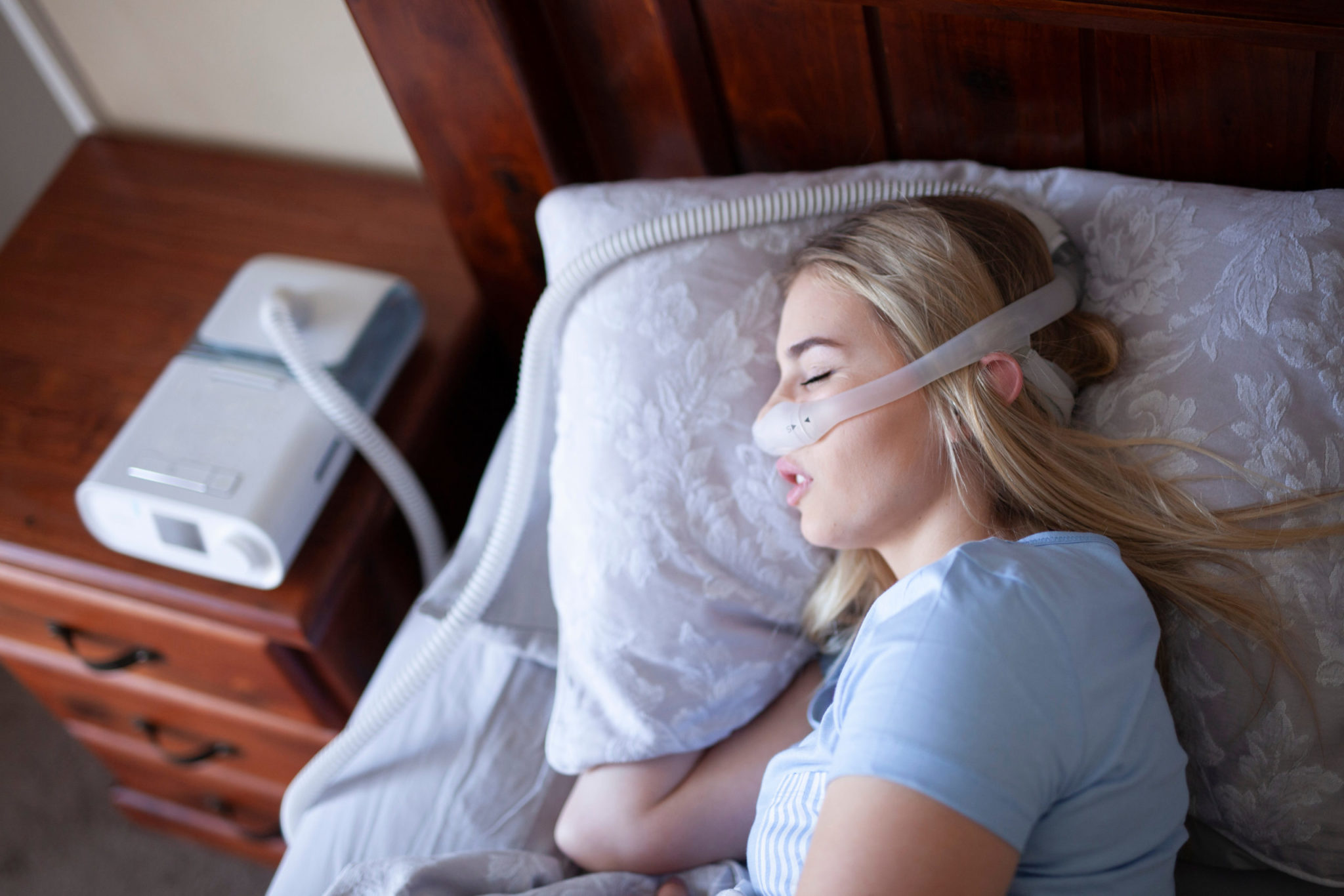
If the results show sleep apnea, your doctor will discuss treatment options with you. The most common treatment is CPAP therapy. CPAP and BiPAP therapy uses gentle air pressure to keep your airway open while you sleep, which eliminates apnea events and restores deep, restful sleep.
In contrast, mild cases may only require lifestyle changes or a dental appliance. Your care team will walk you through whichever path makes the most sense for your results. If you do move forward with CPAP, choosing the right machine and mask is an important next step.
Tips to Get a Better Night’s Sleep During Your Study
Many people feel anxious about sleeping in an unfamiliar environment. However, a few simple habits can help you settle in faster and get enough sleep for an accurate recording.
Stick to your normal bedtime routine as closely as possible. If you usually read before bed, do that. If you normally shower at night, do that too. Familiar routines signal to your brain that it is time to sleep, even in a new place.
Additionally, tell the technician about anything that makes you uncomfortable before they begin. Most clinics will dim the lights, adjust the room temperature, and give you time to settle in before the recording starts. You are not expected to fall asleep the moment the lights go out.
Finally, avoid alcohol the evening before your study. Alcohol disrupts your sleep stages and can mask breathing problems, which could lead to an inaccurate result. Even one or two drinks can affect the data.
Frequently Asked Questions About Sleep Studies
How do I prepare for a sleep study the night before?
Avoid caffeine and alcohol, skip your afternoon nap, and wash your hair without using any styling products. Lay out your pyjamas and anything you need to pack the night before your study so the morning is stress-free. Follow any specific instructions your sleep clinic provides.
Can I brush my teeth or use the washroom during an overnight sleep study?
Yes, absolutely. You can get up to use the washroom, and a technician will help disconnect the wires temporarily so you can move safely. The sensors reconnect quickly. Do not worry, as brief interruptions do not ruin the study.
What if I cannot fall asleep during the sleep study?
It is more common than you think to struggle to fall asleep in a new environment. However, even a few hours of sleep is usually enough for a useful recording. Let the technician know if you are very anxious, because they may be able to help you relax. In some cases, your doctor can prescribe a mild sleep aid beforehand.
How long does it take to get sleep study results?
Most results are ready within one month but vary depending on the sleep lab. A sleep specialist scores the full recording manually, which takes time. Your doctor will then review the results with you and explain what they mean. Ask for a copy of the report for your own records.
What happens if my sleep study shows sleep apnea?
If your study confirms sleep apnea, your doctor will recommend a treatment plan. For most people, CPAP therapy is the first and most effective step. You will work with a respiratory therapist to find the right equipment and mask for your needs. Many patients notice a significant improvement in energy and focus within the first few weeks of treatment.
Ready to Take the Next Step?
Sleep study preparation does not have to be stressful. Avoid caffeine, skip the hair products, pack light, and follow your normal bedtime routine. The sleep test process is straightforward, and the results can genuinely change your quality of life. If your study points to sleep apnea, the Northern Respiratory team is here to help. Contact us to explore sleep apnea therapy options and take the first step toward better, deeper sleep tonight.

