CPAP comfort is the biggest reason people stop using their therapy, not the diagnosis, not the cost, just how the device feels at night. However, small changes to your setup can make a dramatic difference. Whether you struggle with mask leaks, air pressure discomfort, or machine noise, this guide covers practical fixes you can try tonight. Better sleep quality is closer than you think, and most adjustments cost nothing at all.
Find the Right CPAP Mask for Your Sleep Style
The mask is the most personal part of your CPAP setup. A poor fit causes leaks, skin irritation, and broken sleep, even if your machine settings are perfect. Therefore, choosing the right mask style is the single most important step you can take.
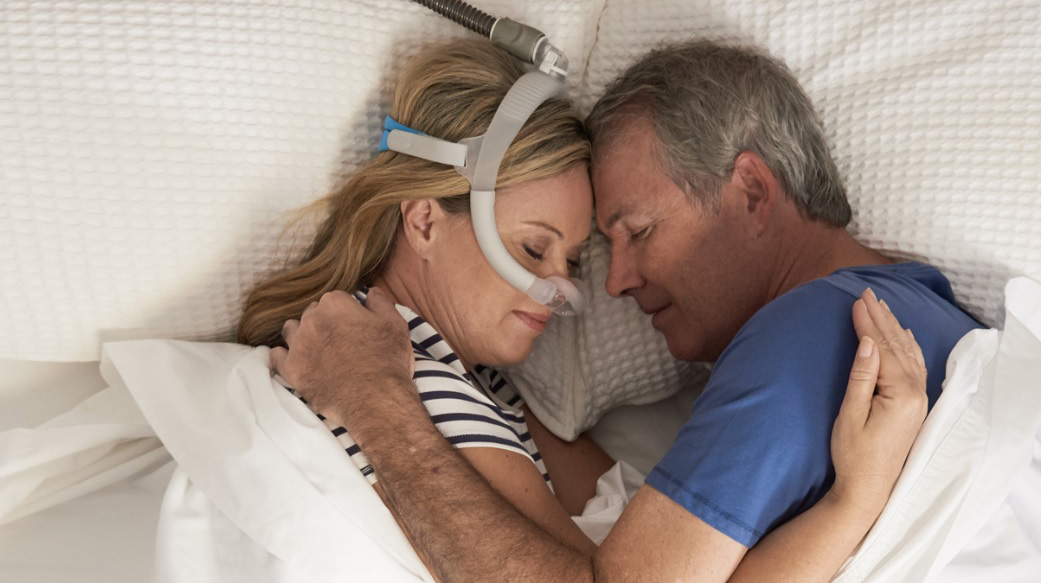
There are three main mask types. Nasal pillows sit at the nostrils and suit side sleepers and people who feel claustrophobic. Nasal masks cover the nose and work well for most sleepers. Full-face masks cover the nose and mouth and are best for mouth breathers.
Additionally, fit matters as much as style. A mask that is too tight creates pressure sores. One that is too loose leaks air and reduces therapy effectiveness. Aim for a snug seal with no more than one finger of slack in the headgear straps.
If you are unsure which mask suits you, the team at Northern Respiratory’s CPAP and BiPAP therapy page walks through your options in detail. Trying a different mask style is one of the fastest ways to improve CPAP comfort.
Adjust CPAP Air Pressure to Reduce Discomfort
Many new CPAP users feel like they are fighting the machine. The air feels too strong, or it rushes in before they are ready to inhale. As a result, some people remove their mask in the middle of the night without even waking up fully.
Most modern machines offer a ramp feature. This starts the pressure low when you first fall asleep, then slowly increases it to your prescribed level. If your machine has this option and it is turned off, enabling it can help enormously.
Auto-adjusting CPAP machines (APAP) are another solution. They respond to your breathing in real time and only deliver the pressure you need at any given moment. In contrast, a fixed-pressure machine delivers the same level all night, even during lighter sleep stages when you need less.
If you have adjusted the ramp and still struggle with CPAP air pressure, talk to your care provider. Your prescribed pressure range may need a review. Never adjust your pressure settings without guidance, as under-treatment can leave sleep apnea events untreated.
Try Pressure Relief Settings
Many machines include a comfort feature that softens the pressure slightly when you exhale. ResMed calls it EPR (Expiratory Pressure Relief). Philips uses the term Flex. These settings do not change your therapy effectiveness at standard levels, but they can make breathing feel far more natural.
Ask your clinician whether your machine has this setting and whether it is appropriate for your prescription. For many users, turning it on removes the feeling of breathing against a wall.
Reduce CPAP Noise for a Better Night’s Sleep
CPAP noise reduction matters, not just for you, but for anyone sharing your bedroom. A noisy machine or a hissing mask can interrupt sleep quality for both partners. However, most CPAP noise problems are easy to diagnose and fix.
Mask leak noise, such as a loud hiss or whistle, usually means the cushion is not sealing properly. Try repositioning the mask on your face before tightening the straps. Also check whether the cushion is worn or cracked, because even small tears cause significant air loss and noise.
Machine noise itself should be very low on a modern CPAP. If your machine sounds louder than it used to, clean or replace the air filter. A clogged filter makes the motor work harder and creates more noise. You can find a step-by-step guide to keeping your device in top shape on Northern Respiratory’s equipment cleaning page.
If the machine noise still bothers you, place it on a foam pad to absorb vibration. Alternatively, run the tubing under the sheets to muffle airflow sounds. Some users also find a white noise machine helpful for masking residual CPAP sounds.
Build CPAP Comfort Habits That Make Therapy Easier
Good habits around your routine make a surprising difference to CPAP comfort. The adjustment period is real, but it is much shorter when you approach it the right way. Most people who stick with therapy for 30 days report that it starts to feel natural.
Start by wearing your mask for short periods during the day, while reading or watching TV. This trains your brain to accept the sensation before you add the pressure of trying to sleep. Because the mask no longer feels foreign, you are far less likely to remove it at night.
Use your humidifier every night. Dry air is one of the top complaints among CPAP users. It causes a dry mouth, sore throat, and nasal congestion, all of which make sleep worse. A heated humidifier, especially with a heated hose, prevents condensation and keeps the airway moist all night.
Also, keep your equipment clean on a regular schedule. Dirty masks and tubing cause skin irritation and unpleasant odours that make therapy harder to tolerate. For a full maintenance checklist, see Northern Respiratory’s CPAP machine maintenance guide.
Quick Comparison: Common CPAP Comfort Problems and Solutions
| Problem | Likely Cause | Simple Fix |
|---|---|---|
| Mask leaks and hissing | Poor fit or worn cushion | Re-fit the mask or replace the cushion |
| Pressure feels too strong | No ramp or EPR setting enabled | Turn on ramp; ask about pressure relief |
| Dry mouth or nasal dryness | Humidifier not in use or set too low | Use a heated humidifier with a heated hose |
| Loud machine noise | Clogged filter or worn motor | Clean or replace filter; place on foam pad |
| Skin irritation under mask | Straps too tight or dirty cushion | Loosen straps; clean mask daily |
| Claustrophobia or anxiety | Full-face mask too bulky | Try nasal pillows or a minimal-contact mask |
Frequently Asked Questions About CPAP Comfort
How long does it take to get used to a CPAP machine?
Most people need two to four weeks to fully adjust to CPAP therapy. The first few nights are often the hardest. However, if discomfort continues after a month, speak with your clinician, as there is almost always a fixable cause such as the wrong mask style or incorrect pressure settings.
Can I use a CPAP if I breathe through my mouth?
Yes. Mouth breathers typically do best with a full-face mask that covers both the nose and mouth. Alternatively, you can use a nasal mask paired with a chin strap to keep your mouth closed. Your care provider can help you find the right combination for your sleep habits.
Why does my CPAP air feel too cold or too dry?
Cold, dry air usually means your humidifier is off or set too low. Turn the humidity level up one notch at a time until the dryness goes away. A heated hose also prevents the air from cooling as it travels from the machine to your mask, which is a common cause of condensation and discomfort.
Is CPAP noise normal?
A quiet hum from a modern CPAP machine is normal. Loud hissing usually means a mask leak, which is fixable by adjusting the fit or replacing the cushion. Grinding or rattling sounds may indicate a filter problem or a machine fault. Contact your provider if unusual noise starts suddenly.
What if my CPAP mask leaves marks on my face?
Light marks that fade within 30 minutes are normal. Deep, lasting impressions mean the mask is too tight. Loosen the headgear straps and check that you are using the correct cushion size. Some users find that CPAP mask liners, which are thin fabric covers, reduce both marks and skin irritation significantly.
Making CPAP Comfort Work for You
Improving CPAP comfort does not require expensive upgrades or starting over from scratch. Small adjustments to your mask fit, air pressure settings, and nightly habits add up quickly. As a result, most people see a real improvement in sleep quality within a few weeks of making these changes. If you need guidance on equipment, masks, or pressure adjustments, contact Northern Respiratory. The team can walk through your setup and recommend the right solutions for your situation. You can also browse CPAP machines available through Northern Respiratory if it is time for an upgrade.

