Picking a CPAP mask sounds straightforward until you’re staring at a wall of options and realizing that the wrong fit makes therapy miserable. A mask that leaks, digs into your nose bridge, or fogs your eyes at 2 a.m. is a mask you’ll stop wearing. And if you stop wearing it, the therapy stops working.
The good news is that there’s a well-suited option for almost every sleeping style and breathing pattern. You just need to know what to look for before you commit.
The Three Main Types of CPAP Masks
Most people end up choosing from three categories. Each one delivers pressurized air differently, and each suits a different type of sleeper.
Nasal CPAP masks sit over the nose only. They’re lighter, less intrusive, and generally easier to wear if you sleep on your side. Because they have a smaller contact area, they’re also less likely to cause pressure sores. That said, if you breathe through your mouth, especially when congested, a nasal mask alone won’t seal properly. For those patients, a chin strap or a different mask type is usually the answer.
Full face CPAP masks cover both the nose and mouth. They’re the better choice for mouth breathers, people with frequent nasal congestion, or anyone on higher pressure settings who finds a nasal mask uncomfortable. They’re larger and can take some adjustment, but for the right sleeper they’re actually more stable through the night.
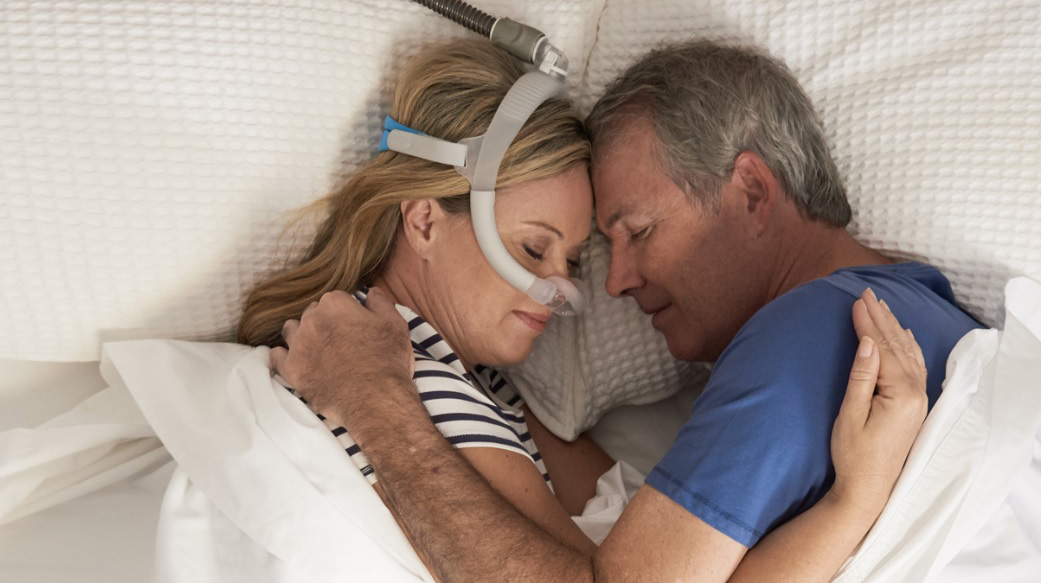
Nasal pillow masks use two small cushioned inserts that sit directly at the nostrils rather than over the nose. They’re the most minimal option available, almost nothing touching your face, which makes them popular with side sleepers, anyone with claustrophobia, and people who wear glasses or read before bed. The trade-off is that they can cause discomfort at higher pressure settings.
Understanding the basics of CPAP and BiPAP therapy helps here, because your prescribed pressure setting plays a real role in which mask style will be comfortable for you.
Matching the Mask to How You Sleep
This is where most people go wrong. They pick a mask based on how it looks in a picture, not how they actually sleep. A few honest questions can narrow things down quickly.
Do you sleep on your side? A nasal or nasal pillow mask is almost always more comfortable for side sleepers, because the frame stays out of the way. Full face masks can shift or leak when pressed into a pillow.
Do you breathe through your mouth? If you’re not sure, your partner probably is. Mouth breathing at night means you need either a full face mask or a nasal mask with a chin strap, otherwise air escapes as fast as it’s delivered.
Are you claustrophobic or sensitive to having things on your face? Start with a nasal pillow. The contact area is minimal, and many people who struggled with traditional masks do fine with this style.
Do you have a beard? Full face masks can be harder to seal with facial hair. Nasal pillows often work better in this case, as they don’t rely on a wide facial seal.
CPAP Headgear and Cushions: Why These Matter More Than People Expect
Headgear and cushions aren’t accessories, they’re the parts that actually determine whether your mask seals properly night after night.
CPAP headgear stretches over time. Most manufacturers recommend replacing it every six months, because worn-out straps lead to over-tightening, which causes discomfort and skin irritation. If you find yourself pulling straps tighter to stop leaks, the headgear is probably the problem, not the mask itself.
Cushions wear out even faster. The silicone softens and loses its shape with daily use. Replacing your cushion every one to three months, depending on the style, restores the seal without needing a full mask replacement. It’s one of the easiest and cheapest fixes in CPAP maintenance, and it’s often overlooked.
Northern Respiratory stocks replacement cushions, headgear, filters, and tubing for most major mask models. You can also learn how to keep your equipment in good shape on the cleaning your CPAP equipment page.
Getting a Proper Mask Fitting in Ontario
Reading a guide like this one is a reasonable starting point. However, the only way to know whether a mask actually fits your face is to try it, ideally with your machine running at your prescribed pressure, not just sitting on your nose in front of a mirror.
Northern Respiratory fitting rooms are set up with reclining chairs so you can test a mask in a comfortable, reclined position that more closely mimics how you actually sleep. Clinicians walk through the adjustment process with you, check for leaks, and won’t send you home with something that isn’t working.
If you’re already on therapy but struggling with your current mask, contacting us is another option. Sometimes the fix is simpler than a full replacement, a different cushion size or a headgear adjustment makes a real difference.
Northern Respiratory has locations across Ontario, from Toronto and Ottawa to Barrie, Kingston, Mississauga, and Whitby. Find the location nearest you and book a fitting.
Frequently Asked Questions
How often should I replace my CPAP mask?
Your mask should be replaced every 6 months, but the cushion should be replaced every 1 to 3 months. If you’re getting leaks or skin irritation, those components are usually the culprit.
Can I use any CPAP mask with any machine?
Yes. Most masks connect via a standard tubing connection, so they’re generally compatible across brands. That said, some newer machines, like the ResMed AirMini, use proprietary connectors and require compatible masks.
What if my mask keeps leaking?
First, check whether the cushion is worn. If it’s relatively new, try adjusting headgear tension, tighter isn’t always better and often makes leaks worse, not better. A properly fitted mask at the right tension should seal without excessive tightening.
Is a full face mask better than a nasal mask?
Neither is universally better. A full face mask is better if you breathe through your mouth. A nasal or nasal pillow mask is better for most side sleepers and people on lower pressure settings. Your clinician can help you decide based on your sleep habits and prescription.

