If your doctor has mentioned oxygen therapy, you’re probably trying to figure out what that actually means for your daily life. Does it mean being tethered to a machine at home? Can you still go out? How do you even get it?
These are reasonable questions, and the answers are more reassuring than most people expect. Oxygen therapy has come a long way. For many patients, it’s now portable, discreet, and covered under provincial funding programs.
Here’s what you need to know.
What Is Oxygen Therapy?
Oxygen therapy is supplemental oxygen delivered through a mask or nasal prongs to raise the level of oxygen in your blood. Your lungs pull oxygen in and transfer it to your bloodstream with every breath. When a lung condition interferes with that process, your blood oxygen levels drop, and your heart, brain, and organs feel it.
Supplemental oxygen makes up the deficit. It doesn’t treat the underlying condition, but it does reduce the strain on your body and, in many cases, meaningfully improves how you feel day-to-day.
Northern Respiratory is licensed by the Ontario Ministry of Health to provide home oxygen therapy under the province’s Home Oxygen Program (HOP).
Who Usually Needs It?
Doctors prescribe oxygen therapy for a range of conditions. The most common include COPD (chronic obstructive pulmonary disease), pulmonary fibrosis, certain forms of sleep apnea, pulmonary hypertension, some cancers, and recovery from pneumonia or other acute respiratory illness.
The common thread is any condition that reduces how efficiently your lungs can transfer oxygen to your blood. Your doctor will measure your blood oxygen saturation, typically with a simple finger clip oximeter, and if it drops below a certain threshold, supplemental oxygen becomes part of the treatment plan.
If you’ve also been dealing with sleep issues alongside a respiratory condition, it’s worth knowing that sleep apnea and oxygen needs can overlap. The what is sleep apnea page explains how the two connect.
The Main Types of Oxygen Equipment
Not everyone needs the same setup. The right device depends on your prescription, how active you are, and whether you need oxygen around the clock or only at certain times, during sleep, for example, or during exercise.
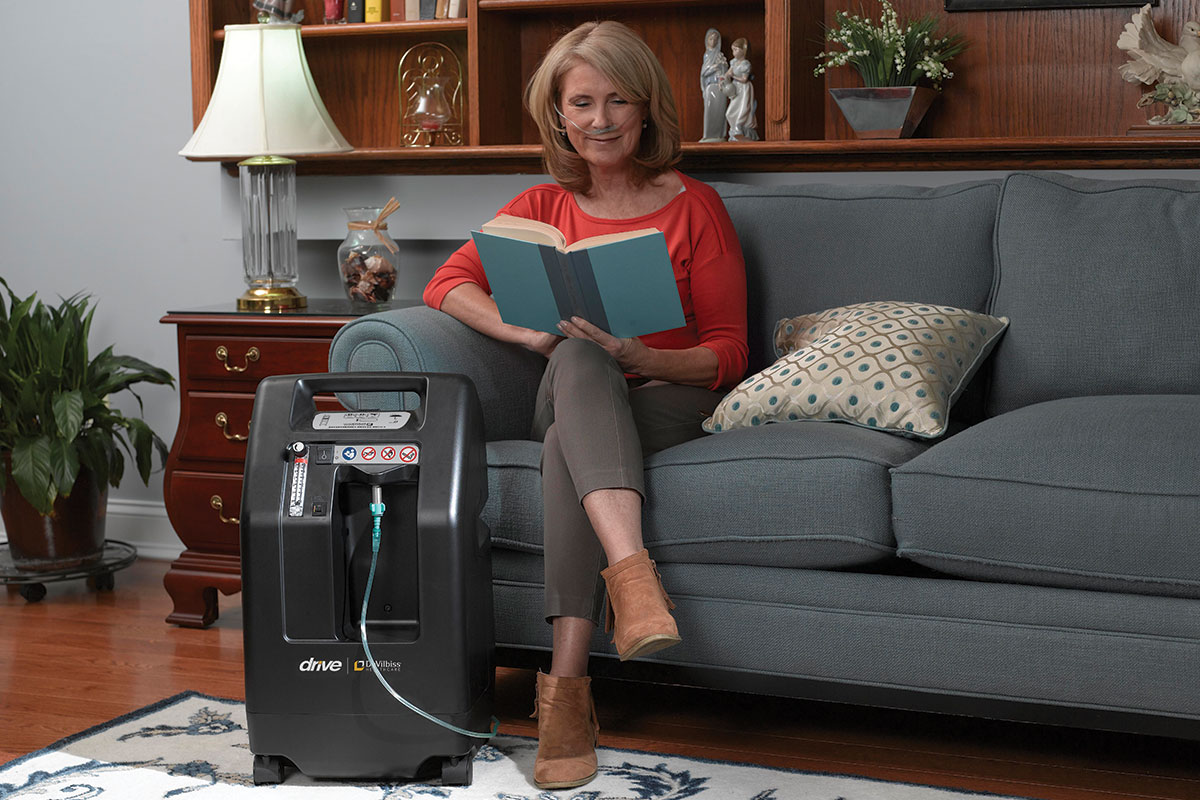
Stationary oxygen concentrators plug into the wall and produce a continuous flow of concentrated oxygen from the room air around them. They’re reliable and don’t require tank refills, which makes them practical for home use. The main limitation is obvious: they require a power source, so mobility is limited.
Portable oxygen concentrators (POCs) are battery-powered and light enough to carry. Most weigh between 3 to 6 lbs and come with a shoulder bag or wheeled case. They’re designed for patients who need oxygen but want to maintain an active life, traveling, running errands, visiting family. Northern Respiratory specializes in portable units and doesn’t have a waitlist for patients who qualify. You can learn more about equipment and portability options on the oxygen therapy section of the website.
Oxygen tanks are the traditional option. They store compressed oxygen and don’t require electricity. They are typically used for those requiring continuous flow or for backup during a power outage. However, they run out and need to be refilled or swapped, which creates ongoing logistics. For most new patients, a concentrator, stationary or portable, is now the preferred approach.
How to Qualify for Home Oxygen in Ontario
Oxygen therapy requires a prescription from your primary care provider. Your clinician will assess your blood oxygen levels, typically through a resting oximetry test and sometimes an exercise test, to determine whether supplemental oxygen is medically necessary.
Once prescribed, Ontario’s Home Oxygen Program (HOP) covers a significant portion of the cost for eligible patients. The funding structure depends on your oxygen requirements and equipment type. Northern Respiratory’s team can walk you through what’s covered and what to expect before you commit to anything.
For a full breakdown, the oxygen therapy funding and cost page covers Ontario-specific program details.
Rental and Travel Considerations
Some patients ask about renting oxygen equipment, particularly for short-term needs like post-surgical recovery or while traveling. Rental is an option, but for patients on long-term therapy, program-funded equipment through a licensed provider is generally the more practical and cost-effective route.
If you’re switching from another provider, switching to Northern Respiratory is straightforward. In most cases, the transition can happen the same day, with no gap in your therapy.
For patients traveling with oxygen, there are additional considerations around airline approval and destination planning. Northern Respiratory’s travelling with oxygen guide covers what you need to arrange before you go.
The Inogen Portable Concentrators
Northern Respiratory is one of Ontario’s leading Inogen providers. The Inogen line is among the lightest and most compact portable oxygen concentrators available. They’re FAA approved for commercial airlines, run on rechargeable batteries, and are quiet enough to use in social settings without drawing attention.
For patients who were told that oxygen therapy meant staying close to home, portable concentrators often change the picture entirely. Many patients say the device gave them back a level of independence they thought they’d lost.
You can learn more about Inogen portable oxygen concentrators and whether you’d be a candidate.
Finding Oxygen Therapy Near You in Ontario
Northern Respiratory has locations across Northern Ontario, including Sudbury, Thunder Bay, North Bay, Sault Ste. Marie, and Kenora. If you’re in Southern Ontario, InspiAIR serves Ottawa, Toronto, Newmarket, Cambridge, Windsor, and Peterborough.
If your physician has recommended oxygen therapy, contact Northern Respiratory or ask them to submit a referral. Assessments are available at most locations, and the team can help you understand your options before any decisions are made.
Frequently Asked Questions
How do I know if I need oxygen therapy?
Your doctor determines this based on your blood oxygen levels, not symptoms alone. If you’re experiencing persistent breathlessness, fatigue, or have been diagnosed with a lung or heart condition, ask your physician whether an oximetry assessment makes sense.
Is home oxygen covered in Ontario?
Yes, for eligible patients, Ontario’s Home Oxygen Program covers a meaningful portion of the cost. Coverage depends on your diagnosis, flow rate, and equipment type. Northern Respiratory can explain the specifics once your prescription is in hand.
Can I travel with a portable oxygen concentrator?
Most portable concentrators, including the Inogen line, are approved for airline use. You’ll need to notify the airline in advance and carry documentation from your prescribing physician. Northern Respiratory’s travel page has a practical checklist.
What’s the difference between oxygen therapy and CPAP therapy?
They’re different treatments for different problems. CPAP therapy keeps your airway open during sleep to treat obstructive sleep apnea. Oxygen therapy raises your blood oxygen levels when your lungs can’t do so adequately on their own. Some patients need both. A respiratory specialist can clarify which applies to your situation.

