
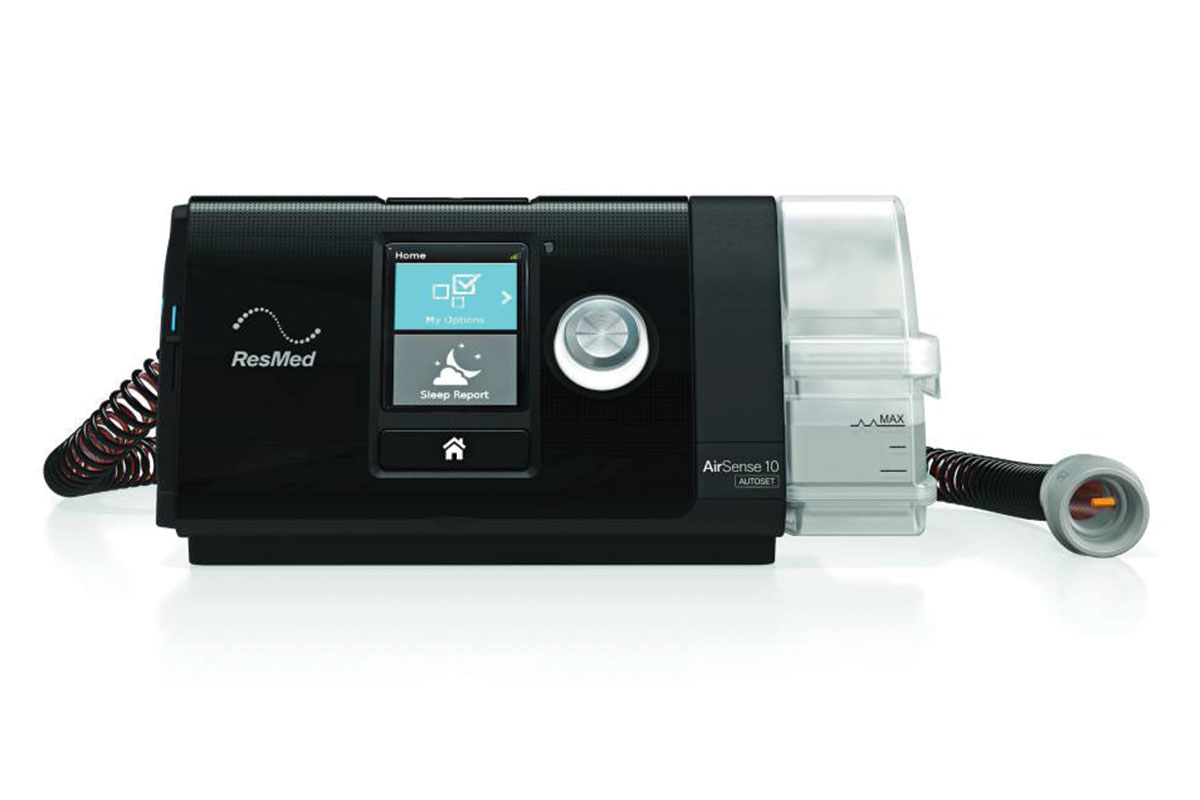
You wake up and hear gurgling in your tube. A little water sits inside your mask. Or you feel droplets on your face. This is CPAP rainout, and it tends to show up more often in winter.
Rainout is annoying, but it is usually easy to understand. This guide explains why it happens, what you can try, and when to ask your provider for help. It does not replace your user guide, and it never asks you to change your prescribed pressure.
What Rainout Is
Rainout is condensation. Warm, moist air leaves your humidifier and travels through the tube. If the tube cools on the way, water droplets form inside it. Those droplets can collect in the tube or run into your mask.
ResMed describes rainout as condensation that can form in the tube and mask. It says heated tubing can help control it by keeping the air at a steady temperature.
Why Winter Makes It Worse
In winter, bedrooms often feel cooler. Air near windows and outside walls can be colder still. A tube that rests against a cold surface loses heat faster. As a result, more moisture turns into water.
Humidity settings matter too. If you raise humidity to fight dry winter air, the warm, moist air meets a cold tube. That mix can create more droplets.
Common winter triggers include:
- A cool bedroom: Lower room temperature means more cooling inside the tube.
- Tubing near a cold wall or window: The tube loses heat quickly.
- High humidity settings: More moisture in the air means more to condense.
- A long, uncovered tube: More surface area means more heat loss.
Practical Ways to Reduce Rainout
Try one change at a time. That way you can tell what helps. Check your user guide before each step.
- Keep the tube close to you, because a tube near a cold wall loses heat quickly. Run it under the covers or away from cold walls and windows.
- Use a tube cover if your device allows it. Some people use a fabric cover to help hold heat in.
- Ask about heated tubing. Many devices offer a heated tube option that works with the humidifier.
- Review your humidity setting. Your guide explains how to adjust it. Small changes often work best.
- Avoid extremes. A very cold room and very high humidity make rainout more likely.
Humidity and comfort settings are different from your pressure. Your clinician controls your pressure, so leave that setting alone.
Heated Tubing and Climate Control
Some devices use heated tubing together with the humidifier. ResMed’s ClimateLineAir 11 tube, for instance, works with the AirSense 11 and a HumidAir 11 humidifier. ResMed says the tube is designed to deliver air at a comfortable temperature and humidity, and to help reduce rainout.
However, not every machine can use every tube. Compatibility depends on the model, so ask your provider before you buy anything. If your device offers an automatic climate setting, your provider can show you how it works.
Morning Routine for Wet Tubing
A short routine keeps small problems from growing. Do this each morning.
- Unplug the machine if your guide says to.
- Remove the water tub before you disconnect the tube, as your guide directs.
- Drain any water from the tube and mask.
- Let the tube hang to air dry.
- Wash the mask and tube as your user guide describes.
Therefore, never let water run back into the machine. If you see water inside the device, stop using it and contact your provider.
When Rainout Might Signal Something Else
Sometimes rainout points to a setup problem. Several clues are worth sharing with your provider.
- Water in your mask every night: The tube or settings may need review.
- Gurgling and leaks together: The mask may not seal well.
- Water near the machine: Check that the tub is seated and not overfilled.
- A tube with cracks or kinks: It may need replacing.
Also, take a photo of the setup and write down your settings. This makes it easier for your provider to help.
Cold Bedrooms and Everyday Habits
Small habits can lower your chances of waking up to a wet mask. Check where the machine and the tube sit. A tube that hangs near a cold window or exterior wall loses heat quickly. Routing it away from cold drafts may help. Do not cover heated tubing unless the manufacturer’s instructions permit it.
Notice patterns too. Does rainout happen only on the coldest nights? Does it appear after you raise your humidity? Write down the room temperature, your humidity setting, and what you changed. These notes make it much easier for your provider to suggest a fix.
If you travel in winter, remember that a cold car or cabin can cause rainout as well. Bring your user guide, and ask your provider about options for trips.
Frequently Asked Questions
Can I lower my humidity to stop rainout?
Often, yes. A small reduction can help. However, lower humidity may bring back dryness, so ask your provider for a balance that suits you.
Do I need heated tubing?
Not everyone does. It can help people who struggle with rainout or dryness. Ask your provider whether it suits your device.
Is it safe to use the machine if water gets in the mask?
A few droplets are annoying but common. Heavy water or water inside the machine needs attention. Stop and check your user guide.
Will a tube cover work for any machine?
Covers vary. Check whether the cover suits your tube type, especially if the tube is heated.
Stay Warm, Stay Dry
Rainout is a common winter nuisance, and it usually has a straightforward fix. Share your notes with your care team if the problem sticks around. They can help you find the right setup for your home.

