
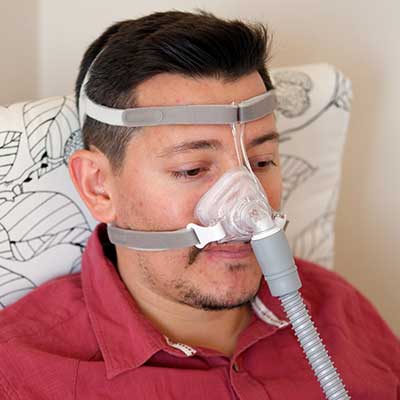
Starting CPAP can feel strange at first. You are wearing a mask, listening to a machine, and trying to fall asleep anyway. That is a lot to adjust to in one night, and even more in the first week of CPAP.
A simple routine for the first week of CPAP can make it easier. This guide focuses on habits you control, such as setup, comfort checks, and cleaning. It does not replace advice from your clinician, and it never asks you to change your prescribed pressure. For background on how treatment works, see CPAP and BiPAP therapy.
Before Your First Night
A little preparation makes the first night easier. Set up your machine on a stable surface near the bed. Make sure the tubing reaches your pillow without pulling on the mask.
Next, read the quick start guide that came with your device. Each model works a little differently. If your device has a humidifier, check which water type your guide names for your exact tub before you fill it.
Then try the mask on while you are awake. Ask your provider to show you how the straps and cushion work. A good fit feels snug, not tight.
Practise During the Day
You do not have to wait for bedtime to get comfortable. Many clinics suggest wearing the mask with the machine running for short periods while you are awake, such as while you read.
This practice helps you get used to the feeling of air on your face. Because you are awake, you can also notice leaks, pressure points, or noise and sort them out before bedtime.
If your device has a ramp feature, ask your provider whether it is turned on. A ramp starts the pressure lower and builds gradually. Your clinician decides your actual pressure settings, so leave those alone.
A Simple Night by Night Routine
Keep your routine short and repeatable. The same steps each night help the habit settle in.
- Wash your face before bed so skin oils do not weaken the seal.
- Check the mask for tears, twisted straps, or a flattened cushion.
- Put the mask on while sitting up, then lie down and adjust it.
- Start the machine and let the ramp do its work, if your device has one.
- Aim to use it all night. If you wake up and take it off, put it back on when you can.
Many people wake with the mask off during the first week of CPAP. Put it back on and carry on. Everyone adjusts at a different pace, and it often happens less over time.
What to Check Each Morning
Take two minutes each morning for a quick review during your first week of CPAP.
- Skin and face: Look for deep marks, redness, or sore spots. Light marks that fade are common at first.
- Mouth and nose: Note any dryness or stuffiness, and write it down for your provider.
- Mask and tubing: Check for water droplets inside the tube or mask.
- Machine data: If your device shows a summary, check usage hours and mask leak.
Keep a small notebook by the bed. Jot down what felt good and what bothered you, and share it with your care team.
Cleaning Basics for the First Week of CPAP
Cleaning steps depend on your exact device and mask. Start with the user guides for your models, because parts differ and a method that suits one cushion can damage another.
The US Food and Drug Administration says most masks, hoses, and humidifier tanks can be cleaned with mild soap and water as described in the owner’s manual. It notes that some manufacturers recommend diluted vinegar. It also says never to put a machine with an electrical cord into water. Wipe the outside with a damp cloth instead.
Mask cushions are a good example of why models matter. ResMed’s guide for its AirFit N20 says to soak the silicone cushion and elbow in warm water, about 30°C, with a mild liquid detergent for up to ten minutes, then rinse well. Its AirTouch foam cushions are different. The guide says not to submerge or rinse them, and to wipe the outside with CPAP wipes or similar alcohol free wipes if needed. It also says to discard a foam cushion that has been submerged.
The same guides warn that some household cleaning products can damage a mask or leave residue you could inhale.
Ozone and UV Cleaning Devices
Ozone and UV devices are not a substitute for the cleaning steps in your manual. The FDA says there are no cleared or approved devices for cleaning CPAP machines. It has received reports of asthma attacks, headaches, and breathlessness after ozone cleaning. It also says ozone levels inside equipment can stay above safe limits for hours after a cycle.
The FDA has authorized one add-on device to reduce bacteria on certain masks and hoses after regular cleaning, and it does not replace the manufacturer’s process. Ask your provider before you buy any cleaning product.
Common Bumps in the First Week of CPAP
Most early problems have simple fixes, and your provider can help with all of them.
- Air leaks or noise: Reseat the mask while lying down. A worn cushion or the wrong size can also cause leaks.
- Dry mouth or nose: Ask about humidity settings and mask options.
- Feeling closed in: More daytime practice can help. Your provider may suggest a different mask style.
- Air feels too strong: Do not adjust the pressure yourself. Contact your provider so they can review your data and settings.
- Skin irritation: Check strap tightness and cushion cleanliness, and ask about mask liners.
Frequently Asked Questions
How long should I wear CPAP each night in the first week?
Your clinician sets your therapy goals. In general, the aim is to use CPAP whenever you sleep, including naps. If a full night is not happening yet, tell your provider how it is going.
Is it normal to take the mask off while I sleep?
Many people do this while adjusting. Note when it happens. Leaks, dryness, and a mask that feels too tight are common reasons.
Can I change my pressure if it feels uncomfortable?
No. Pressure is part of your prescription. If it feels uncomfortable, contact your provider so they can review your data and decide whether your settings need attention.
When should I call my care team?
Call if you cannot get comfortable after several nights, if you develop skin sores, or if you stay very sleepy during the day despite regular use.
Talk With Your Care Team Early
You do not have to wait for a follow-up appointment to ask questions. Bring your notes and your mask.
Contact Northern Respiratory if you have questions during your first week of CPAP.

